
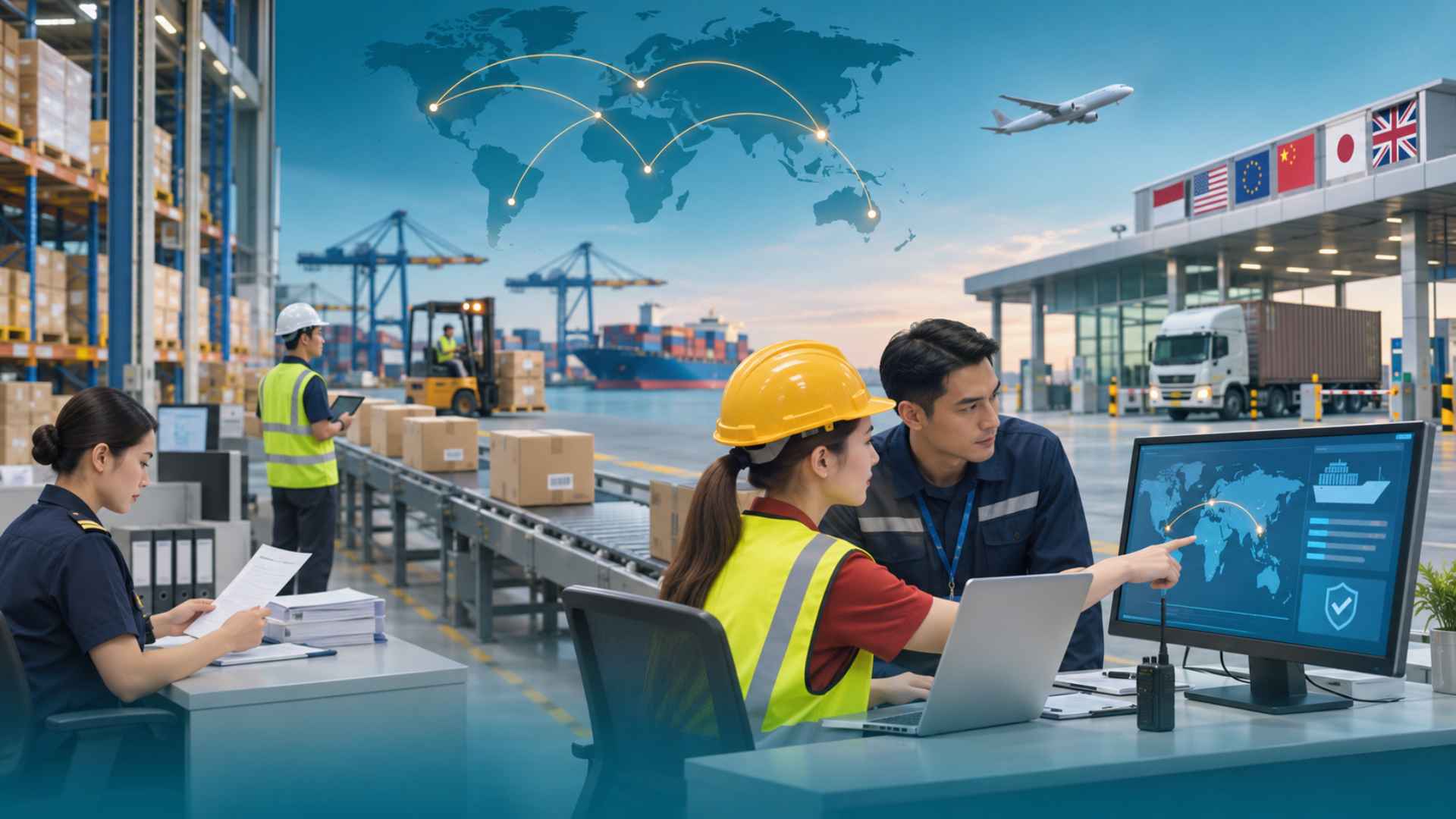
Global logistics plays a major role in connecting businesses, suppliers, and customers across different countries. However, moving goods internationally is not always simple. Companies must deal with various regulations, customs procedures, trade policies, and documentation requirements that can differ from one country to another. These rules can make international shipping more challenging, especially for businesses operating in multiple markets.
Navigating regulatory challenges in global logistics requires careful planning and a good understanding of international trade requirements. Companies that stay updated with changing regulations can reduce delays, avoid unexpected costs, and keep their supply chains running smoothly. With the right strategies, businesses can manage compliance more effectively while maintaining reliable international operations.
Understanding International Trade Regulations in Global Logistics
International trade regulations are rules that control how goods move between countries. These regulations cover customs duties, import and export restrictions, product standards, shipping documents, and other requirements. Every country has its own policies, which means logistics companies must understand the rules that apply to each destination before shipping goods. Missing even a small requirement can lead to shipment delays, additional charges, or rejected cargo.
For businesses involved in global logistics, keeping track of regulatory changes is an important part of daily operations. Trade agreements, government policies, and international restrictions can change over time. Companies that fail to follow these updates may face unexpected problems when transporting products across borders. By working with experienced logistics partners and checking official regulations regularly, businesses can reduce compliance risks and make international shipping more predictable.
Common Regulatory Challenges Affecting Global Supply Chains
One of the biggest challenges in international shipping is dealing with different customs procedures. Each country may require specific documents, product classifications, certificates, and tax payments before goods can enter its market. If the information provided is incomplete or incorrect, shipments may be held for inspection or delayed at customs. These problems can affect delivery schedules and increase logistics expenses, especially for businesses handling large shipment volumes.
Another challenge comes from changing trade policies and import restrictions. Governments may introduce new tariffs, update product safety requirements, or limit the movement of certain goods due to economic or political conditions. These changes can create uncertainty for companies that depend on international suppliers and customers. Without proper preparation, businesses may struggle to adjust their shipping plans, manage costs, and maintain consistent supply chain performance.
Managing Customs Clearance and Shipping Documentation
Customs clearance requires accurate documentation to ensure goods can move across international borders without unnecessary delays. Common documents include commercial invoices, packing lists, certificates of origin, and bills of lading. Each document must contain correct information that matches the shipment details and local customs requirements. Businesses can improve the process by using digital documentation systems and working closely with customs brokers who understand the regulations in different markets.
Adapting to Tariffs and Changing Trade Policies
Tariffs and trade policies can directly affect the cost of international transportation and product distribution. When governments introduce new import duties or change trade agreements, businesses may need to review their sourcing strategies and shipping routes. Staying informed about trade developments helps companies prepare for possible cost increases and avoid unexpected expenses. Building flexible supply chain plans also makes it easier to respond when international trade conditions change.
Meeting Product Safety and Compliance Standards
Different countries often have specific rules regarding product quality, labeling, packaging, and safety. These requirements are especially important for industries such as food, pharmaceuticals, electronics, and chemicals. Products that fail to meet local standards may be rejected, returned, or held until the necessary requirements are fulfilled. Companies should check product regulations before shipping and make sure their suppliers follow the required standards to prevent compliance issues.
Effective Strategies for Managing Global Logistics Compliance
Managing regulatory challenges becomes easier when businesses develop a clear compliance strategy. One practical approach is to create standardized procedures for international shipments, including document checks, product classification, and customs preparation. Companies should also train their logistics teams to understand relevant trade regulations and recognize potential compliance risks. Having clear responsibilities helps prevent mistakes and makes it easier to handle regulatory requirements across different markets.
Technology can also support better compliance management in global logistics. Digital platforms, automated customs systems, and shipment tracking tools help businesses organize documents, monitor deliveries, and identify potential issues earlier. In addition, working with reliable freight forwarders, customs brokers, and international logistics providers can offer valuable support when dealing with complex regulations. By combining technology, professional expertise, and regular policy monitoring, businesses can reduce risks, control shipping costs, and build a more efficient global supply chain.